Gamification refers to “the integration of game elements like point systems, leaderboards, badges, or other elements related to games into “conventional” learning activities in order to increase engagement and motivation.” This is a great way to increase motivation, provide sequential feedback, and even provide more individualized challenges for students to tackle.
When we play games, our brains produce a powerful neurotransmitter called dopamine, which is the root of our feelings of pleasure. Generally speaking, this neurotransmitter is heightened when we achieve a goal by overcoming some sort of challenge. Willis in their article describes this as “no pain, no gain”. Studies have also shown that dopamine levels have a direct connection with our memory retrieval systems and performance. This means that by incorporating games into the way we teach, we can help students learn and master content without them even realizing it.
Music

There are so many different ways you can turn your music lesson into a fun and interactive game. The first idea that came to my mind is called Boomwackers, which are colourful PVC pipes of varying length that when hit, give off a distinct and specific note. I came across a video of a class using these to play ‘Guitar Hero’, which is a visual and interactive rhythm game. This can help student develop a sense of rhythm, beat, and pitch.
Mathematics
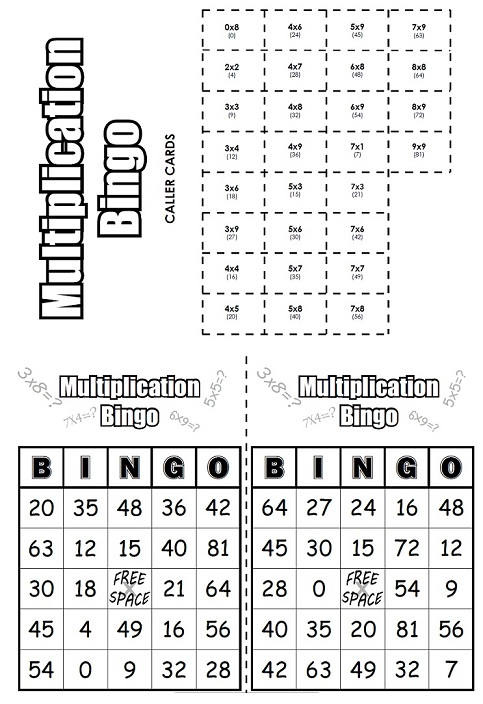
Mathematics has been a subject that quite often brings stress and anxiety for many students. We as educators can help to reduce these feelings through practice and hands-on learning methods. Turing practice into games can help students develop their number sense without them even realizing it. One example of this I found to be very engaging for student is called Multiplication Bingo. This idea can be modified for multiple grade levels, depending on what you are focusing on (addition, multiplication, subtraction, division, etc.).
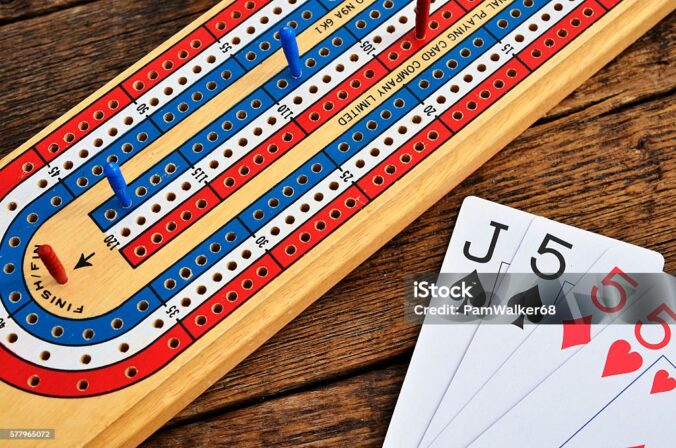
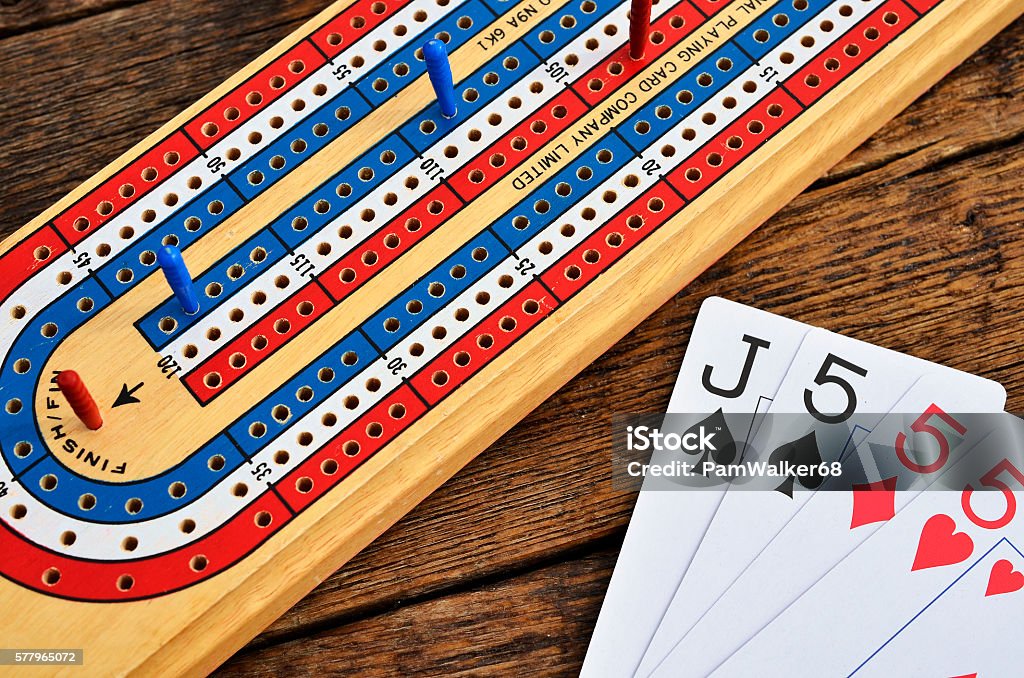
One of the games that helped me develop my number sense was Cribbage. Cribbage is a 2 or 3-player game with the objective to be the first to score 120 points. Points are scored from the cards that are randomly drawn to your hand of six cards. Numbers that add up to 15 are worth two points, as are pairs. Runs (like 1,2,3 or 7,8,9) are assigned points based on how many numbers there are in the sequence. It can be tricky to learn at first, but once you get the hang of it, it is so much fun!
English Language Arts

Last year in my Literacy course we had many wonderful opportunities to bring our ideas into the classroom. One of the games I created for developing phonemic and phonological awareness in a Kindergarten class was to use Letter Mazes. Students were tasked with navigating the maze by identifying the picture that matched the letter at the top of the sheet. For example, here a student is looking for images that start with the letter ‘C’ to form a pathway to the bottom of the maze.
Science
During my time in the Nass Valley, I taught Grade 8 Science and Social Studies. For our Science class, we did test reviews by playing Jeopardy. I purchased an editable Jeopardy template from Teachers Pay Teachers and filled in the categories to match the content we had been learning about. For example, our final unit was Earth Sciences. Questions were a combination of true and false, fill in the blank, and multiple choice. Students would be divided into teams of four or five. It made me happy to see how excited they would become once I pulled up the Jeopardy game. It seemed to really help them with recall and retention of previously learned information.