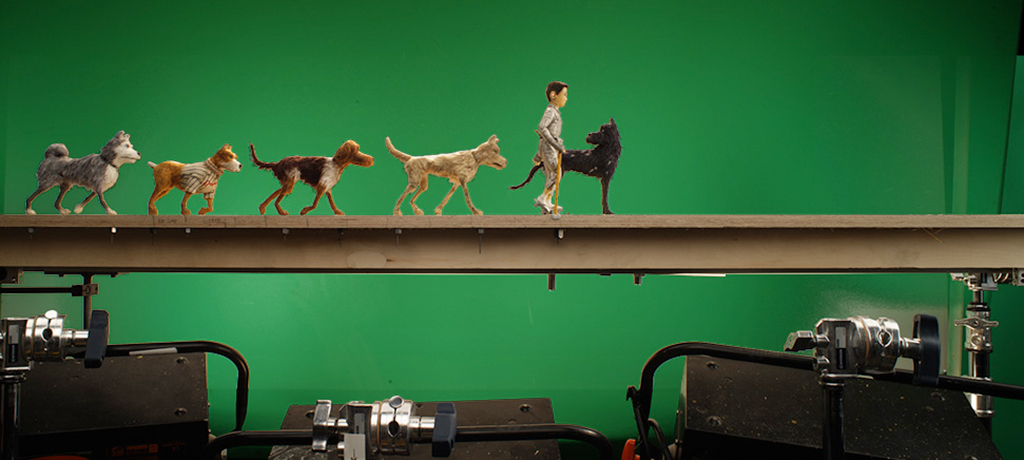
This week, our class had the amazing opportunity to work with students in a local elementary school with stop-motion films. I think there were many takeaways, both for the grade 3s as well as the student teachers! For this week’s reflection, I am choosing to do a Gibb’s Reflective Cycle to write about my experience.
Description
Our group of mentor teachers arrived at the elementary school just as lunch and recess time was wrapping up for the students. Walking into the school, we could hear excited chatter and laughter coming from behind each of the classroom doors, including our grade 3 In-situ room. We had been advised by our teacher that their class has a substitute for the day, but the kids are nonetheless excited for what is to come. Just as we have been warned by teachers from all walks of life, things never seem to go to plan. You just have to roll with the punches!
As we entered the classroom, you could tell the students were full of energy after spending their break playing out on the playground. The room was quite noisy, but the teacher was able to quickly regain their attention while she took attendance.
Once we were introduced and the classroom teacher gave a brief overview of the students’ next steps, we broke into groups to begin our stop-motion filming project. We began by brainstorming what we wanted our film to be about. We used a template (pictured below) to help the students identify and determine key parts of their story.
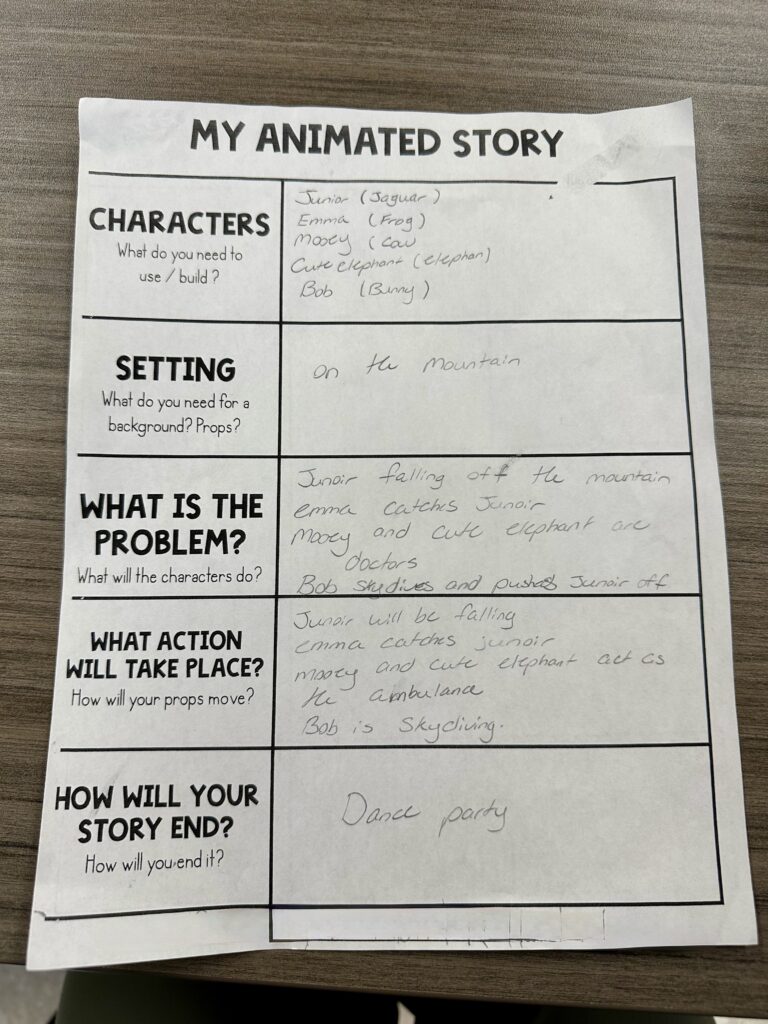
Once we had completed our template we began working on props and filming. The group of four worked well together and seemed to distribute work fairly evenly.
Feelings
When first walking in to the classroom, I must admit I felt a bit overstimulated. The room was quite noisy and many of the students were having side conversations while the substitute was trying to provide instruction. When we first split off into our group, the students were having a hard time remembering to listen when others were speaking. I asked them to use quiet hands when they had thoughts or ideas relating to the project which seemed to help a lot. Once we finished our template, the students seemed to naturally assume responsibility over the creation of props and setting up the filming. This was lovely to see! After filming and seeing our final creation for the first time, it made me happy to see how excited the students were to see what they had made. You could tell they had a lot of pride!
Evaluation
There were many positive outcomes to this project as well as areas for future improvement. I would have liked to know the background or mini-lesson that was given to the students on stop-motion films prior to our visit to the classroom. In my grade 3 six-week practicum, I remember having to spend quite a bit of time working with the class on the necessary elements of a story. Many seem to forget that there needs to be some sort of resolution (or initial problem that needs to be addressed). I think having a story template like the one pictured above is a great tool for addressing this.
I think the students were very motivated and eager to work on this project. Stop-motion filming gives students lots of creative freedom- it is one of those lessons where learning may not feel like learning because we are having so much fun! Whether they knew it or not, we covered the following from the BC Curriculum for Grade 3:
- English Language Arts
- Recognize the structure and elements of story
- Exchange ideas and perspectives to build shared understanding
- ADST
- Generate ideas from their experiences and interests
- Use trial and error to make changes, solve problems, or incorporate new ideas from self or others
- Develop their skills and add new ones through play and collaborative work
Analysis
I plan to use this project in my future classroom. For next time, I intend to assign roles to students (or ask them to assign their own roles, depending on the age). In our group, we had one student who had a difficult time sharing his own ideas. I wanted to ensure his thoughts and ideas were implemented to I assigned him the role of ‘director’. I told him to direct his classmates, tell them where to move the characters and props. It was wonderful to see his confidence grow in just a short hour!
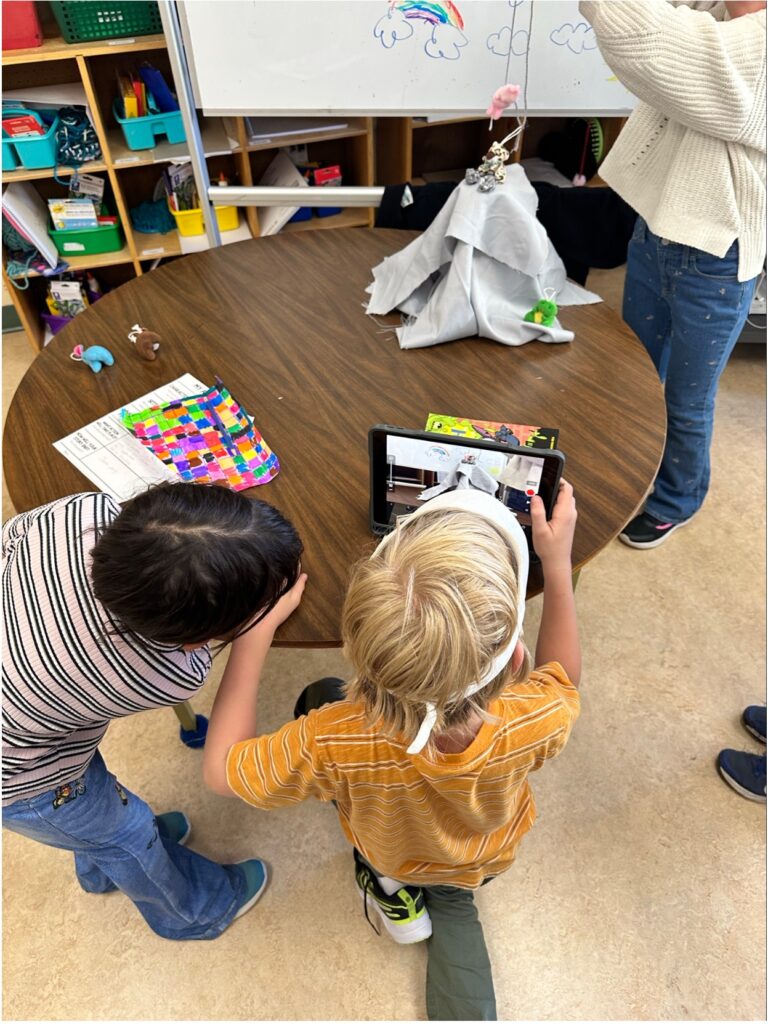
I think providing roles to students gives them a sense of purpose and responsibility. It may also be easier for some students to approach a multi-faceted project like Stop-Motion films when its components are broken down into chunks. This also ensures every student contributes to the film and they get a say in the final creation. While the ability to delegate and distribute work evenly amongst colleagues, assigning roles for group projects can save time and energy for both the student and teacher.
Conclusion
This in-situ was all-in-all a great experience full of hands-on active learning that was so much fun. Stop-Motion Filming in the elementary classroom is a great way to incorporate technology while also allowing students to collaborate and create something they are proud of. I could see this activity being made into a unit plan, where groups are tasked with writing out a detailed script and story board for their film. This can be adapted for multiple age groups, ranging from grade 3 up to grade 12.
Action Plan
For my future classroom, I intend to incorporate this activity into a story-telling unit. Last year during my six-week practicum, I created a unit plan on different ways to tell and share a story. We looked at wordless picture books and silent films, picture books, short stories, and listened to a traditional oral story from a member of the Ktunaxa nation. I think including stop-motion films would be a great way to expand student’s learning by allowing them to create their own visuals in a hands-on way. Through stop-motion, they could explore storytelling structure, sequencing, and creativity while also practicing collaboration, problem-solving, and digital literacy skills.