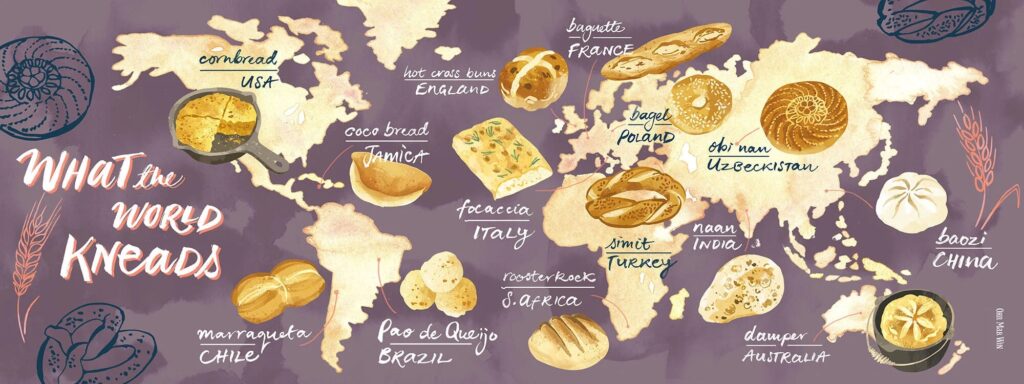
By connecting everyday food to Social Studies, students can explore historical, cultural, and shared values across the world. From the grains that helped shape ancient civilizations to the artistry that transformed the loaf, bread making can foster curiosity and cross-curricular thinking.
From the BC Curriculum:
- Core Competency:
- Personal and Social Responsibility: Understanding food sources, sustainability, and cultural respect.
- Social Studies:
- Big Idea: Canada’s policies and treatment of minority peoples have negative and positive legacies.
- Curricular Competencies:
- Use inquiry to understand historical and cultural perspectives on food
- Sequence objects, images, and events, and recognize the positive and negative aspects of continuities and changes in the past and present
- Evaluate and explain the significance of grain resources in shaping communities and trade.
During my research, I wanted to explore a popular bread type that has been connected to many Indigenous cultures and communities within Canada: Bannock. To my surprise, bannock’s roots actually originate from Scotland, and was introduced to Indigenous peoples by colonizers during the 18th and 19th centuries.
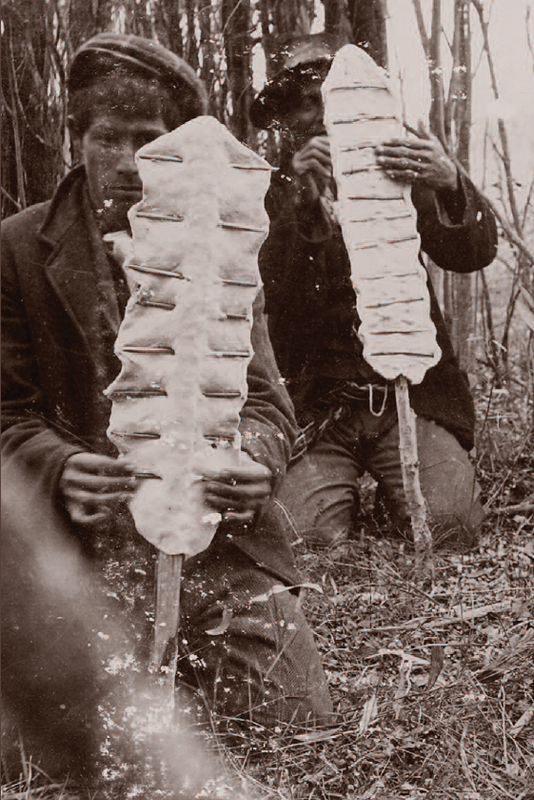
When Indigenous peoples were forced off of their native lands and on to reservations, they lost many vital food sources they had relied on for thousands of years. Those living on reservations were supplied with food rations, many of which were completely foreign to them. Due to this, bannock was made in order to avoid starvation.
Bannock was not the first bread to be eaten by Indigenous peoples of North America. Before bannock, some nations created flatbreads similar to tortillas from the starch and flour of bracken rhizomes (underground stems of ferns). Today, many Indigenous cultural events such as powwows, feasts, and community gatherings will have bannock. Indigenous-owned restaurants will often feature this bread on their menus. Its ties to colonization but modern applications make it a tricky subject, but one that is worth exploring with your students. For some Indigenous people, the making of Bannock can be empowering, as it represents resilience and survival.
“Bannock was what we had to eat, but now I want to pay homage to the dignity of our women who have learned to turn a negative into a positive” – Emilee Gilpin