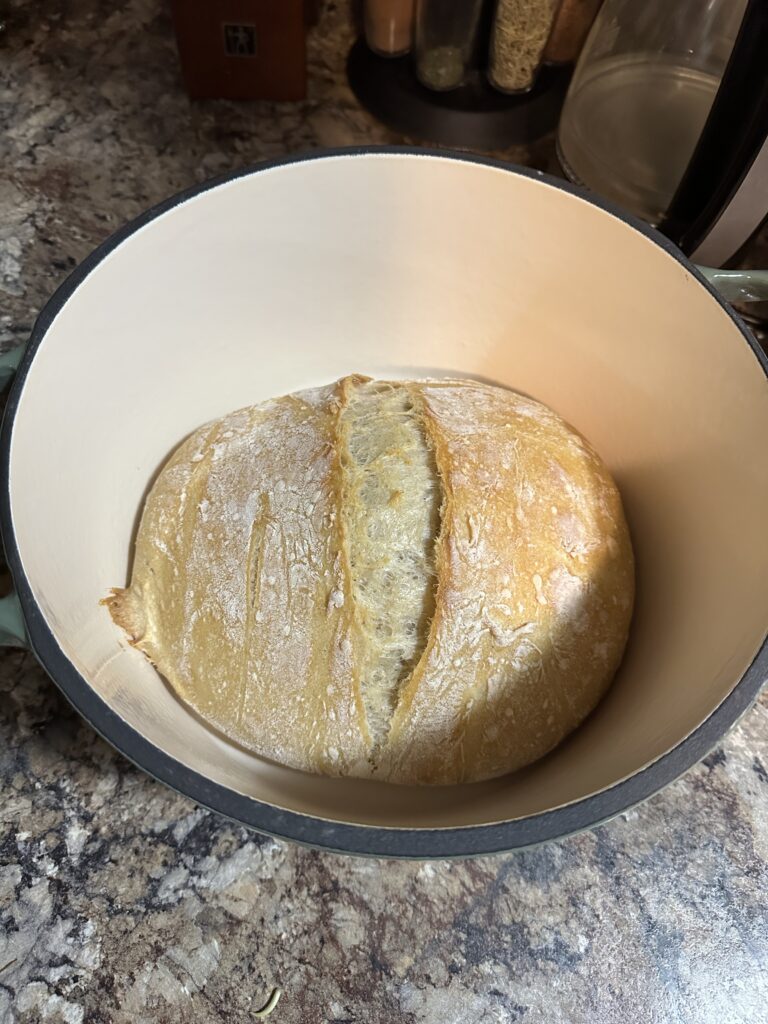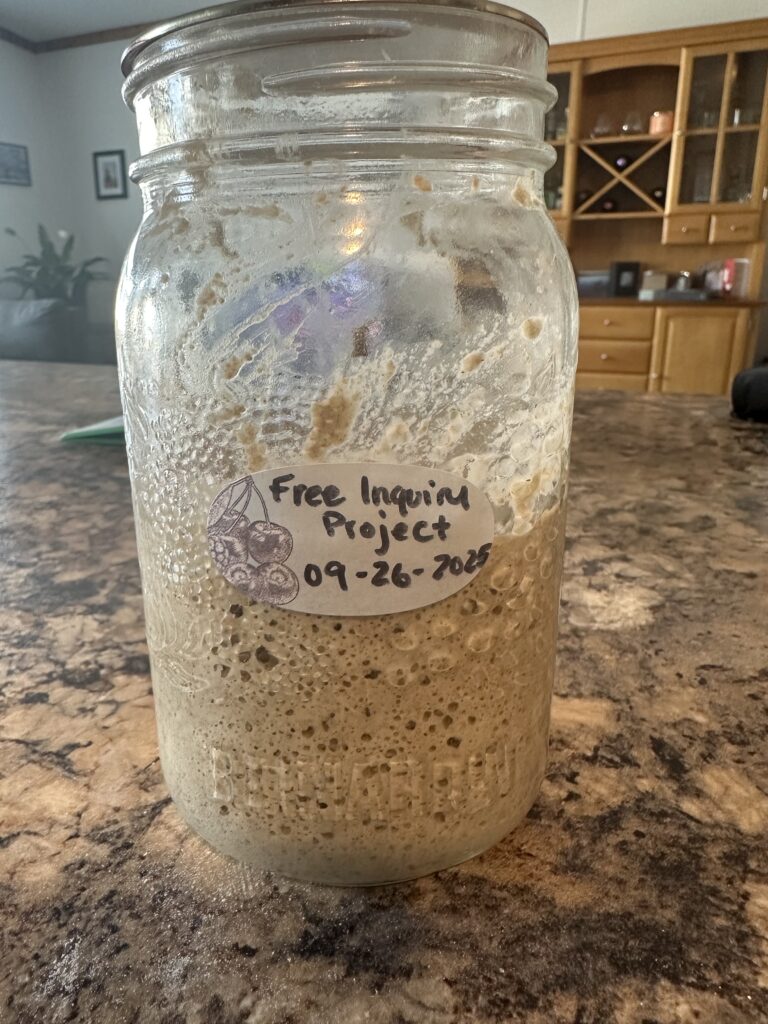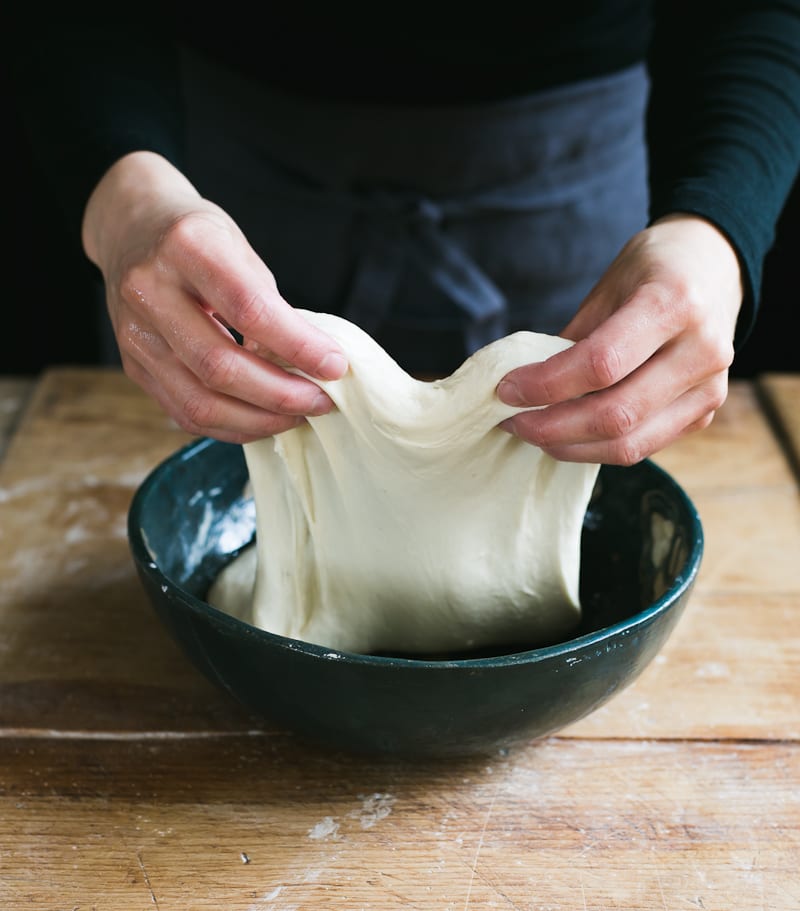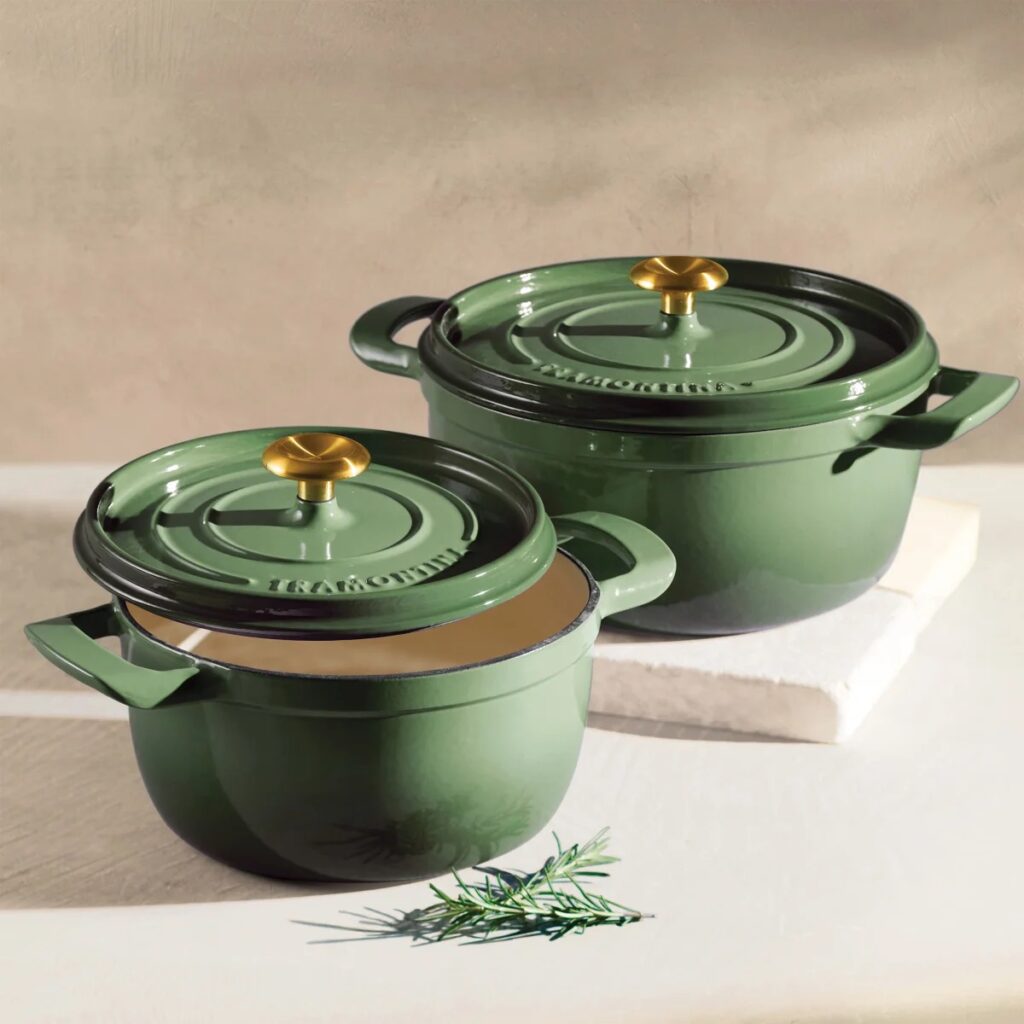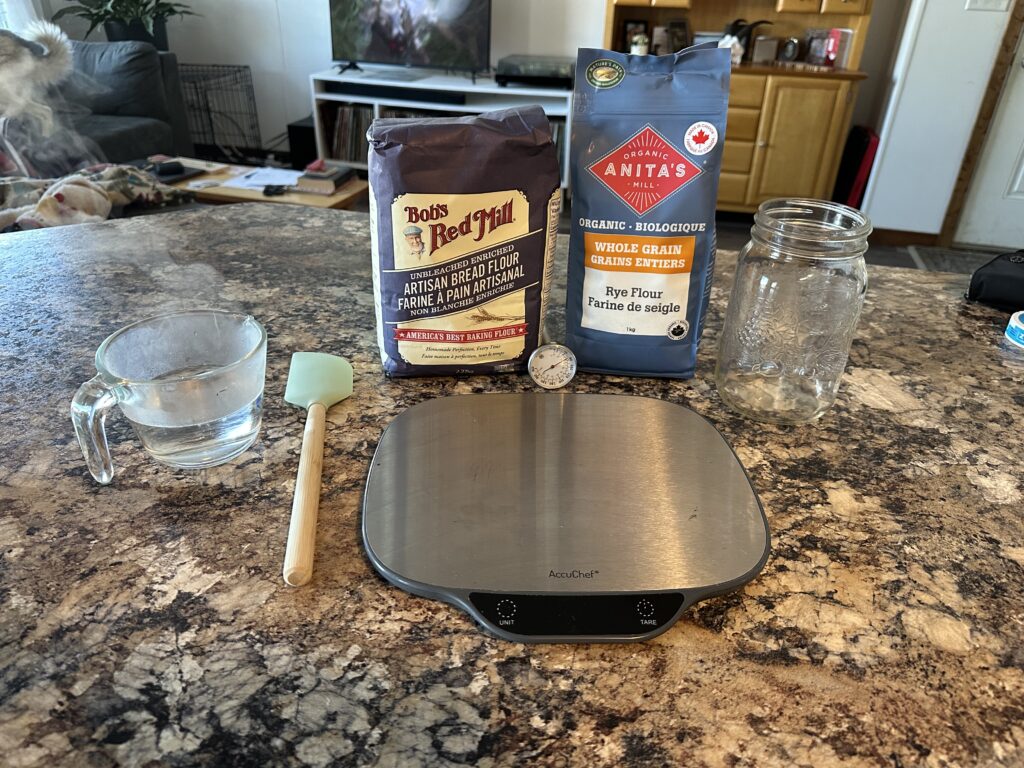
My bread-making journey over the past two months has given me plenty of time to reflect and make connections to how bread can be applied to a variety of curricular content and competencies in the classroom:
From the BC Curriculum:
- Core Competencies:
- Communication: students will work together in groups to gather ingredients, mix, knead, fold, and bake their bread. They will reflect on their shared experience afterwards.
- Critical and Creative Thinking: Experimenting with ingredients, solving problems during the process.
- Personal and Social Responsibility: Understanding food sources, sustainability, and cultural respect.
- Science (Grade 4)
- Big Idea: Matter has mass, takes up space, and can change when it is heated or cooled.
- Curricular Competencies: predict outcomes based on prior knowledge, collect data based off of observations, compare results to predictions, and communicate findings using data tables, charts, reflections, and drawings.
- Math (Grade 4)
- Big Idea: Fractions and decimals are types of numbers that can represent quantities.
- Curricular Competencies:
- Model mathematics in contextualized experiences
- Develop, demonstrate, and apply mathematical understanding through play, inquiry, and problem solving
- Use mathematical vocabulary and language to contribute to mathematical discussions
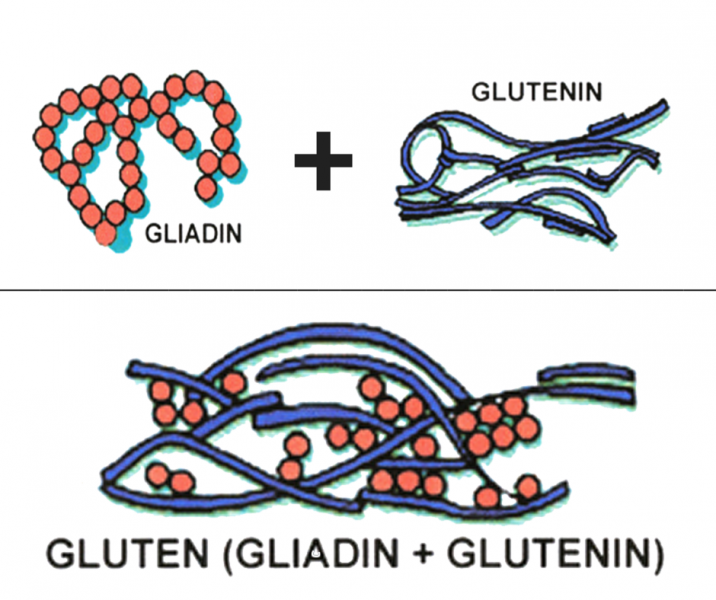
Bread making as a class project can be incorporated to build off of prior knowledge and to cement learning in an engaging and hands-on way. Learning about the science behind the process of bread making can help students develop a newfound fascination with everyday items, and how energy sources like heat can change matter. My hope is that experiences like this encourage them to formulate more I wonder statements about the world we live in.
Here is a great introductory video on Why Bread Has Holes in it.

While making bread, students will practice their ability to measure and apply their mathematical thinking, specifically their understanding of fractions and ratios. When looking at a recipe, we may want to double it or reduce the quantities by half. This can be a great way to have students practice their mental math with fractions in an interactive way. You can also have students practice weighing their ingredients, which can help show students how different substances have different masses, even if they have the same volume!
The wonderful thing about bread is you can scale the complexity depending on the age level you are working with. Here is a simple white bread recipe that can be used with a bread machine. For older grades, you can use recipes that require multiple rises, proofing, and different flour compositions. This can be useful for analyzing cause and effect. For example, students could decide what variable they would like to measure by baking two loaves. One loaf would follow the recipe exactly, and the other, for example, might omit the proofing stage. What happens?
For my next blog post, I will continue to explore the incorporation of bread making in the classroom, but with a focus on Social Studies and Art.