Page 3 of 3

Classroom Takeaways – Part II

Kindergarten Literacy Stations

The Big Idea: Playing with language helps us discover how language works

Curricular Competency: Use sources of information and prior knowledge to make meaning

Content: Letter knowledge, phonemic and phonological awareness

The Activity:

During our time in the Kindergarten class, we created four different literacy stations, where students would spend approximately 5 minutes at each table exploring different ways to see how language works. For my station, I created letter mazes, where students were tasked with navigating through the picture maze depending on the given letter. For example, for the letter B, students were tasked with identifying the pictures that started with B.

Letter mazes are a great way to encourage and strengthen phonological and phonemic awareness. By sounding out each word, students will discover patterns and will be able to segment them into phonemes.

According to Sometimes Reading is Hard by Robin Bright, learning the sounds of a language is a crucial first step into the world of literacy. Through speech, children will begin to recognize phonological patterns. With practice, they will connect these sounds to letters (p. 30).

Incorporating Technology into English Language Arts – Grade 5

The Big Idea: Texts can be understood from different perspectives

Curricular Competency: Synthesize ideas from a variety of sources to build understanding

Content: Text features and literary devices

The Activity:

For our time with a grade 5 class, we explored the story The Wolves in the Walls by Neil Gaiman and illustrated by Dave McKean. Inspired by the author’s daughter’s dream, the story follows a family whose home is overtaken by wolves when they emerge from the walls.

The theme of this lesson was to explore different ways to experience, interpret, and interact with a story. We first started by reading the book with our groups of students. We would explore text features and how they were displayed alongside the imagery. This tied into conversations about the overall theme of the book (how did it make you feel?).
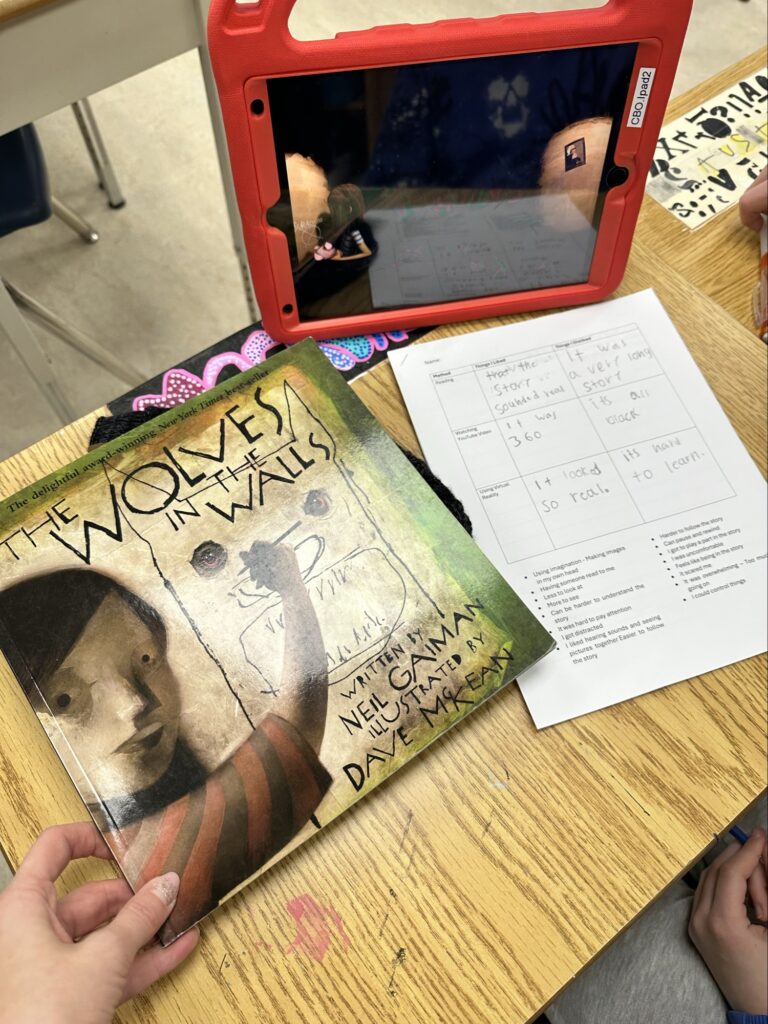
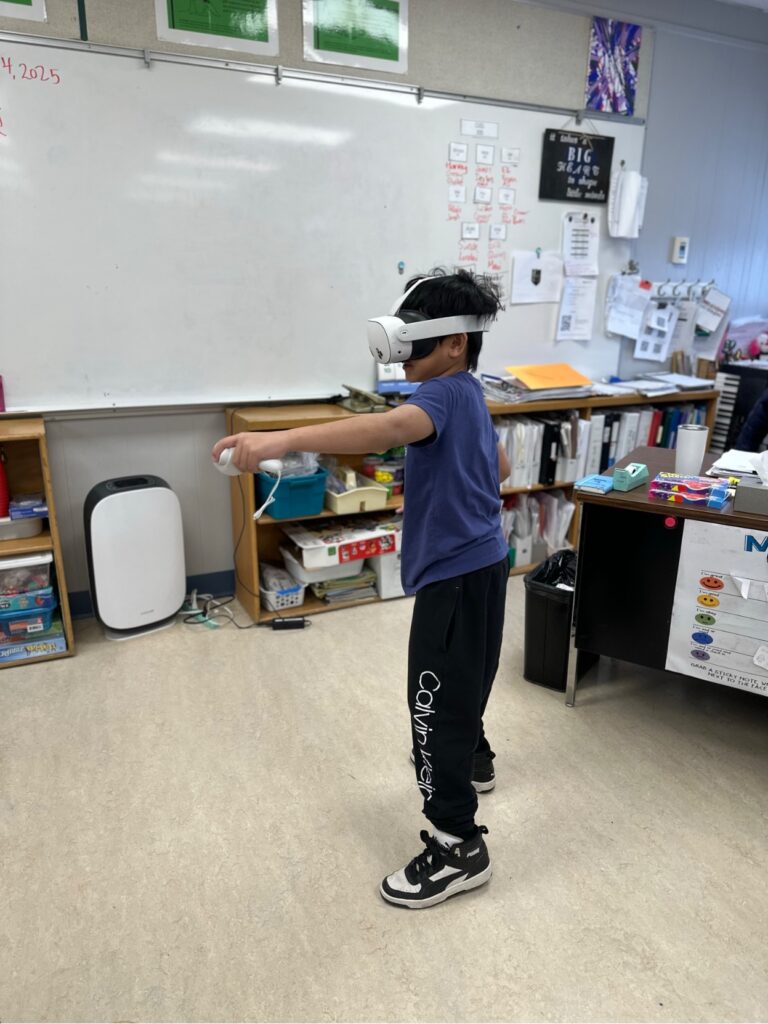
Our school district is fortunate enough to be equipped with virtual reality headsets for students to use within their educational journey. After reading the book, the class immersed themselves into the world of the book, where they would explore the creaking, growling, and scuffling sounds within the house alongside Lucy.

After reading and experiencing the story through a virtual reality format, the students were asked to compare and contrast the two. What were things they liked and disliked? I was pleasantly surprised to see that many students still preferred the physical book when experiencing a story for the first time. I think the magical thing about books is that they make us slow down to absorb every detail. I don’t mean to say technology cannot provide this to us, but we must use our imagination more so when reading words on a page.

Resources

Bright, R., 2021. Sometimes Reading Is Hard, Pembroke Publishers. Markham, CA. Retrieved from https://coilink.org/20.500.12592/jxm425 on 14 Mar 2025. COI: 20.500.12592/jxm425.
Story Vines

What is a story vine?

According to Sometimes Reading is Hard, story vines come from an African tradition that uses visual cues to assist in the oral retelling of a story or legend (p. 91). Story vines are commonly made from braided yarn and will include different toy-like artifacts which are affixed to the braid in chronological order. This can help introduce students to sequencing, new vocabulary, and to develop fluency in reading and talking (Bright, p. 91).

How to use it in your classroom

  1. Choose a book

Before you have your students create their own story vine, it is important you as the educator make one to reference and show your class. Select a book you love and one that you know well. Try to choose one that is sequentially easy to follow, and has engaging characters and a satisfying ending (Bright, p. 91).

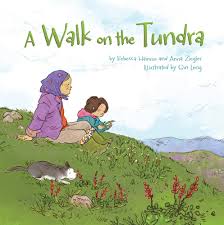
For my book, I chose A Walk on the Tundra by Rebecca Hainu. This is a story about a young girl living in an Inuit village who discovers the wonderful world of edible and medicinal flora when she tags along with her grandmother for a walk on the tundra, and how it is intricately intertwined with their culture and traditional values.

2. Create your vine

For my story vine, I used multiple different colours of yarn that matched those found in the book. For the visual pieces to tell the story, I created small clay figurines and flowers. While story vines do not normally have words on them, I have decided to include certain words from the text as many plants are named in Inuktitut, the language spoken by the Inuit. Language is an integral part of a culture, and I want to honour the authors’.

3. Read your story

Using your story vine, share the story to the class with expression and enthusiasm. While your rendition of the story may not be exactly word-for-word, the students should be able to pick up on key phrases they recognize from the text.

4. Have students make their own story vines

Once students have had the chance to see it in action, have them create their own story vine, either from the same story or one that resonates deeply with them. Bright in Sometimes Reading is Hard suggests finding common fairy tales like Goldilocks and the Three Bears for younger students (p. 91).

Resources

Bright, R., 2021. Sometimes Reading Is Hard, Pembroke Publishers. Markham, CA. Retrieved from https://coilink.org/20.500.12592/jxm425 on 14 Mar 2025. COI: 20.500.12592/jxm425.

Classroom Takeaways – Part I

Over the past few weeks our teacher candidate cohort has had the wonderful opportunity to visit one of the local elementary schools here in Cranbrook, BC. During our first three visits to Gordon Terrace Elementary, I had the opportunity to join a grade 3 class during their literacy centre and reader’s theatre.

The Big Ideas

  1. Curiosity and wonder lead us to new discoveries about ourselves and the world around us.

Our Tuesday mornings with the third graders started with breaking into literacy groups, where students were grouped depending on their reading level. This provided an opportunity for differentiated instruction, allowing all students to improve their skills with a book that they could enjoy and understand.

A third grade classroom is home to a variety of readers. Some readers are striving and others are thriving. Striving readers may still be in the process of decoding words on the page. As the textbook Sometimes Reading is Hard by Robin Bright describes, decoding is a fundamental building block of reading comprehension (p. 30). We as readers must first understand to read before we can read to understand.

2. Using language in creative and playful ways helps us understand how language works.

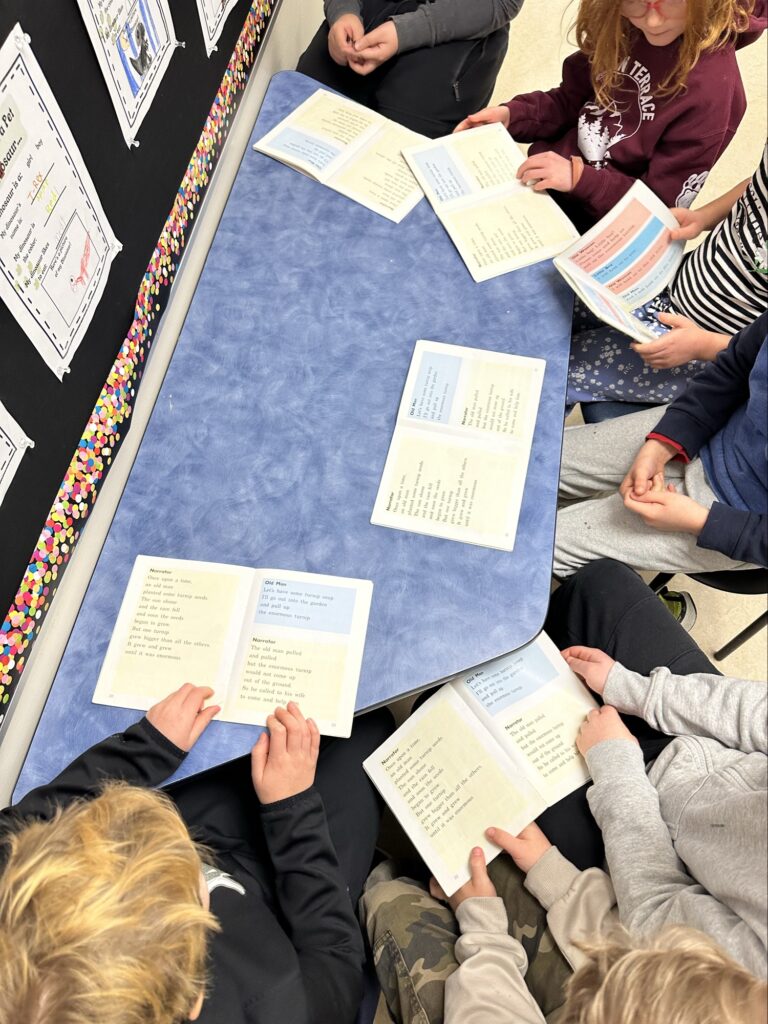
Following our time spent with the class during literacy centres, we collaborated with the young minds during reader’s theatre, which is a dramatic presentation and reading from a text involving multiple voices/actors. During our reading together, we brainstormed ways we could add emotion and emphasis to certain parts. The students enjoyed adding voices to their characters alongside the added emotion.

Curricular Competencies

  1. Engage actively as listeners, viewers, and readers, as appropriate, to develop understanding of self, identity, and community

Our small but mighty reading group of seven third graders did an excellent job of listening intently to one another, while also assisting with lines for their classmates when needed. As noted in Sometimes Reading is Hard, Reader’s Theatre is a great way to have everyone practice their reading fluency, no matter their level (p. 80). Characters and parts in the book will have varying amounts of spoken parts, making it easy to differentiate depending on reading level. Reader’s Theatre can also be a time for students to challenge themselves with a larger part! I was impressed to see a couple of striving readers volunteer for the main characters of the story.

2. Plan and create a variety of communication forms for different purposes and audiences

Reader’s Theatre is generally broken up into two parts: the practice and the performance. Before dividing students up into groups, the teacher will explain what Reader’s Theatre is and how it will help them improve their fluency and comprehension. Plus, it is a fun way to engage and interact with a story! Students will practice reading their parts with their groups a few times, allowing each student the ability to not only gain a deeper understanding of the content but to also work on speaking with expression and taking turns reading.

Content

  1. Reading Strategies: as students practice reading their parts together, they will be actively decoding, identifying sight words, and ensuring what they are saying makes grammatical and literal sense.
  2. Oral Language Strategies: Students will learn how to speak with emphasis and expression while taking turns and choral reading with their classmates.
  3. Features of Oral Language: Students will practice reading with varying tone, volume, inflection, pace, and certain gestures.

Personal Reflection

I quite enjoyed taking part and watching the grade 3s practice and present their stories to the rest of the class. I could tell each and every student took pride in their role, especially when reading aloud to their peers. The teacher also made a point to ask the class to comment on something positive they observed or liked about each group’s presentation, which is a great way to build confidence and a sense of community within their classroom.

Resources

Bright, R., 2021. Sometimes Reading Is Hard, Pembroke Publishers. Markham, CA. Retrieved from https://coilink.org/20.500.12592/jxm425 on 14 Mar 2025. COI: 20.500.12592/jxm425.
Blog Post 1: The One Book That Changed Everything

Describe your ‘one book’ that changed everything for you as a reader

Growing up, I was very fortunate to be in a home where books were valued and cherished. Both my mom and dad would read to me every night before bed. I remember having the coolest bedroom, where my bed was in a reading nook with bookshelf-walls custom-built by my parents. 

Growing up, I was very fortunate to be in a home where books were valued and cherished. Both my mom and dad would read to me every night before bed. I remember having the coolest bedroom, where my bed was in a reading nook with bookshelf-walls custom-built by my parents. 

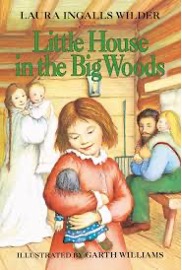
The one book that opened my eyes to the world of reading was the series The Little House on the Prairie by Laura Ingalls Wilder. The books tell the story of Laura’s life growing up in the late 1800s with her family. The homesteading lifestyle and adversities the family faced captivated me, and I wanted to learn more about this way of life. I remember my mom reading a chapter where Laura talks about what she got for Christmas, which was a penny and a shiny new tin cup. To my 5-year-old self’s surprise, she was ecstatic over these gifts. It made me realize I was very lucky and fortunate with the many toys I had received from Santa that year!

How do you feel about reading? What types of books do you like to read?

Despite sounding cliché, reading is magical. There is so much you can learn and so many worlds you can immerse yourself in. Without a doubt, there is a genre of book for every single person. The options are endless. My reading preferences have changed a lot over time, but I also enjoy many different genres. Right now, I find a lot of joy in reading non-fiction books. I enjoy learning about the history of the Earth and the evolution of our  species. 

As I grew up, I was drawn to books that provided me with a new world perspective. For example, in 3rd and 4thgrade, I loved the Warriors series by Erin Hunter and of course, Harry Potter by J.K. Rowling. In high school, I became more interested in stories that related to real-life events, but still with this first-person narrative style. I remember reading Johnny Got His Gun by Dalton Trumbo and taking a keen interest in the powerful anti-war message it conveyed. 

Hobbies outside of school

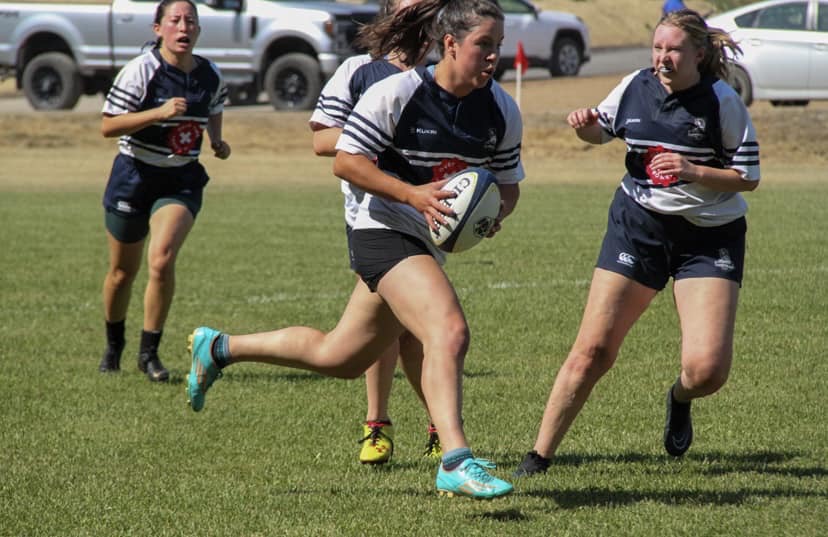
Outside of school, I enjoy going on hikes and spending time outdoors with my partner Nolan and our husky Mishka. When I’m not hiking, I enjoy gardening, playing rugby, paddling in my pack raft, and swimming. I feel very fortunate to live in such a beautiful part of the world. 

Who is your favourite author?

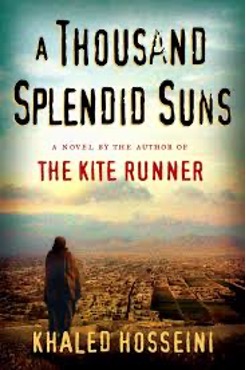
My all-time favourite author is Khaled Hosseini, who wrote The Kite Runner, And the Mountains Echoed, and A Thousand Splendid Suns. His writing style paired with the heart-breaking yet uplifting stories he tells always resonates deeply with me. He has a unique gift for weaving complex emotions, cultural richness, and intricacies of human relationships into not only stories, but journeys of the soul. 

Tell me a bit about the last book you read that you really enjoyed

The last book I read and really enjoyed that immediately comes to mind is A Thousand Splendid Sunsby Khaled Hosseini. The book tells the story of Mariam, a girl born in a small dirt hut in Kabul in the 1950s. She lives with her mom and looks forward to the spring and summer days when her wealthy father pays her a visit. When she is a teenager, she is married off to an older man who becomes more violent and emotionally abusive as time goes on. This is not the life Mariam envisioned for herself.  Despite these hardships, Mariam perseveres with quiet strength and finding solace in small acts of kindness from others she encounters. As the story unfolds, Mariam’s world becomes even more complicated when Laila, a young girl from a different background, enters her life. The two women, though initially enemies due to the circumstances of their shared marriage to the same man, eventually form a deep bond. 

Winter break: how did you spend your time?

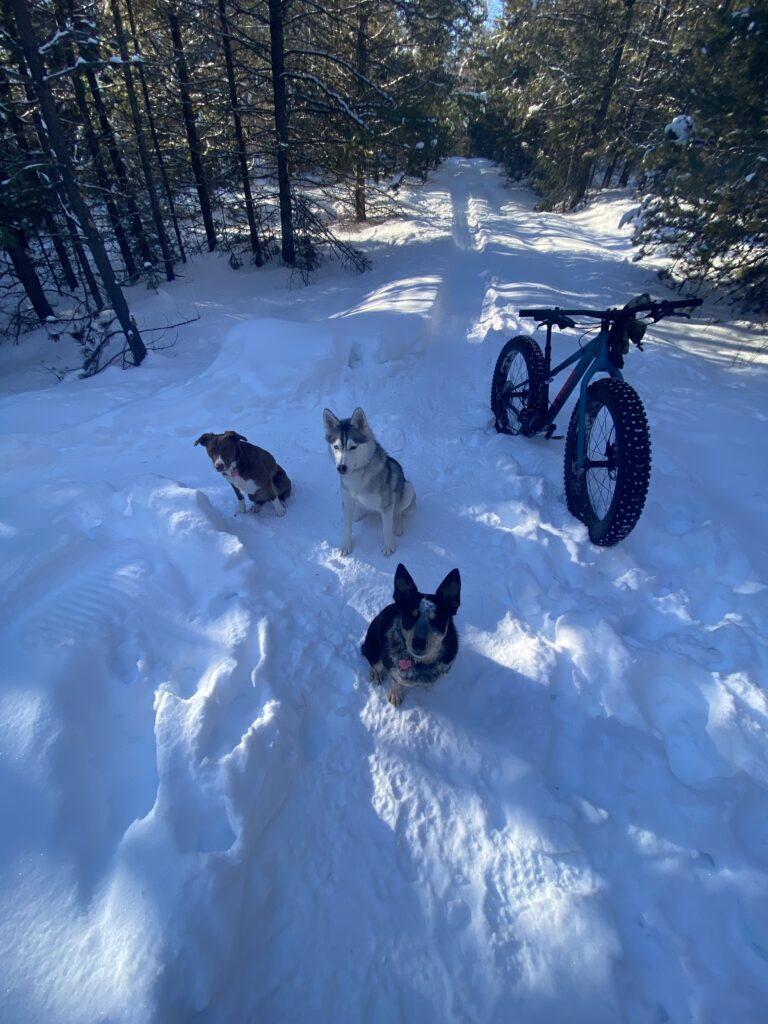
My winter break was a busy one! Pursuing post-secondary education is not cheap, so I picked up as many shifts as I could working at the RCMP detachment. Nolan and I flew to Vancouver Island for Christmas to spend time with his family, which was very nice. When we returned, I dog/house sat for a good friend of mine who has two very active dogs (Border Collie and an Australian Cattle dog)! We went for lots of fat tire bike rides at South Star, which was a great way for me to get back into the habit of staying active. 

What subjects or topics do you like learning about?

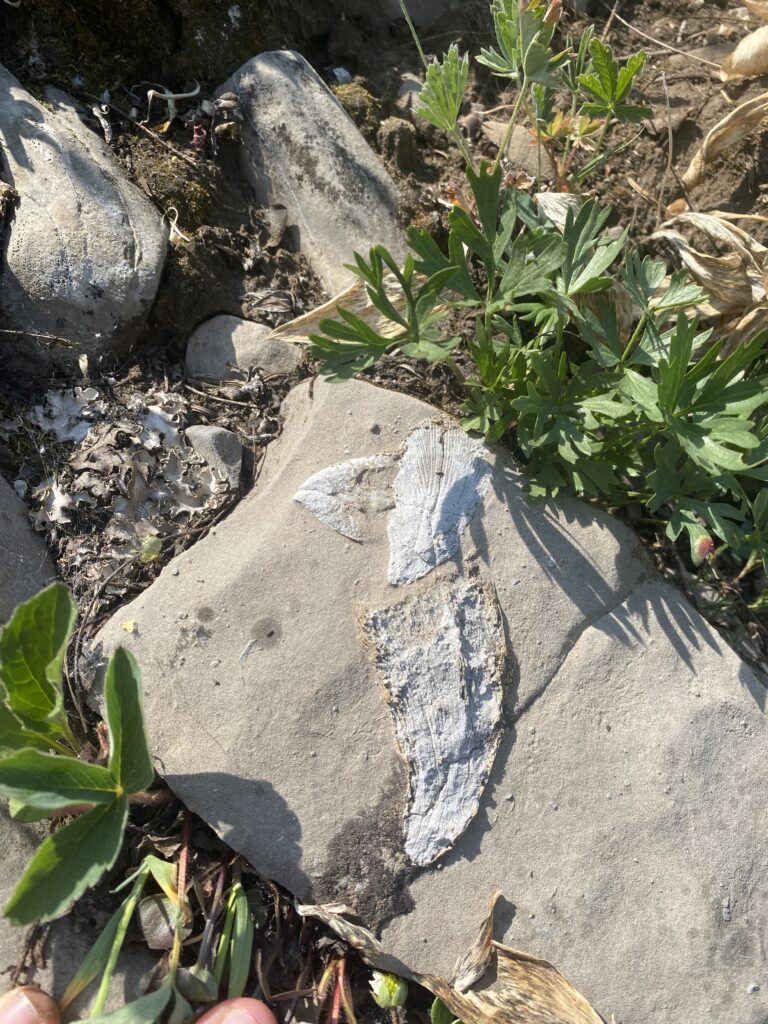
I really enjoy learning about anything to do with the history of our Earth as well as different cultures! Life is full of big questions which are fun to think about and explore from different perspectives. I took an introductory geology course through the College of the Rockies last spring which kickstarted my fascination with fossils and the formation of the Rocky Mountains. I remember remarking to my partner, Nolan, that my goal was to find a fossil while we were living in the Kootenays. During an overnight hike in Fernie, I was fortunate enough to find a plethora of them. What a sight to see fossilized barnacles high up in the mountains! Pictured right is the very first fossil I found.  

If you could read a book about one thing, what would that be?

That is a tough question to answer. I enjoy reading books for a variety of reasons. Sometimes I enjoy learning more about the world we live in, and sometimes I read as an escape from it. Ultimately, I think I enjoy novels that explore the human condition; those that explore complex issues and highlight the intricacies of what makes us human. 

Welcome and Introduction

Before proceeding with this first blog post, we expect you to consider your privacy preferences carefully and that you have considered the following options:

  1. Do you want to be online vs. offline?
  2. Do you want to use your name (or part thereof) vs. a pseudonym (e.g., West Coast Teacher)?
  3. Do you want to have your blog public vs. private? (Note, you can set individual blog posts private or password protected or have an entire blog set to private)
  4. Have you considered whether you are posting within or outside of Canada? This blog on opened.ca is hosted within Canada. That said, any public blog posts can have its content aggregated/curated onto social networks outside of Canada.

First tasks you might explore with your new blog:

  • Go into its admin panel found by adding /wp-admin at the end of your blog’s URL
  • Add new category or tags to organize your blog posts – found under “Posts” (but do not remove the pre-existing “EdTech” category or sub-categories, Free Inquiry and EdTech Inquiry). We have also pre-loaded the Teacher Education competencies as categories should you wish to use them to document your learning. If you would like to add more course categories, please do so (e.g., add EDCI 306A with no space for Music Ed, etc.)
  • See if your blog posts are appearing on the course website (you must have the course categories assigned to a post first and have provided your instructor with your blog URL)
  • Add pages
  • Embed images or set featured images and embed video in blog posts and pages (can be your own media or that found on the internet, but consider free or creative commons licensed works)
  • Under Appearance,
    • Select your preferred website theme and customize to your preferences (New title, etc.)
    • Customize menus & navigation
    • Use widgets to customize blog content and features
  • Delete this starter post (or switch it to draft status if you want to keep for reference)

Do consider creating categories for each course that you take should you wish to document your learning (or from professional learning activities outside of formal courses). Keep note, however, that you may wish to use the course topic as the category as opposed to the course number as those outside of your program would not be familiar with the number (e.g., we use “EdTech” instead of “edci336).

Lastly, as always, be aware of the FIPPA as it relates to privacy and share only those names/images that you have consent to use or are otherwise public figures. When in doubt, ask us.

Please also review the resources from our course website for getting started with blogging:

Newer posts »